

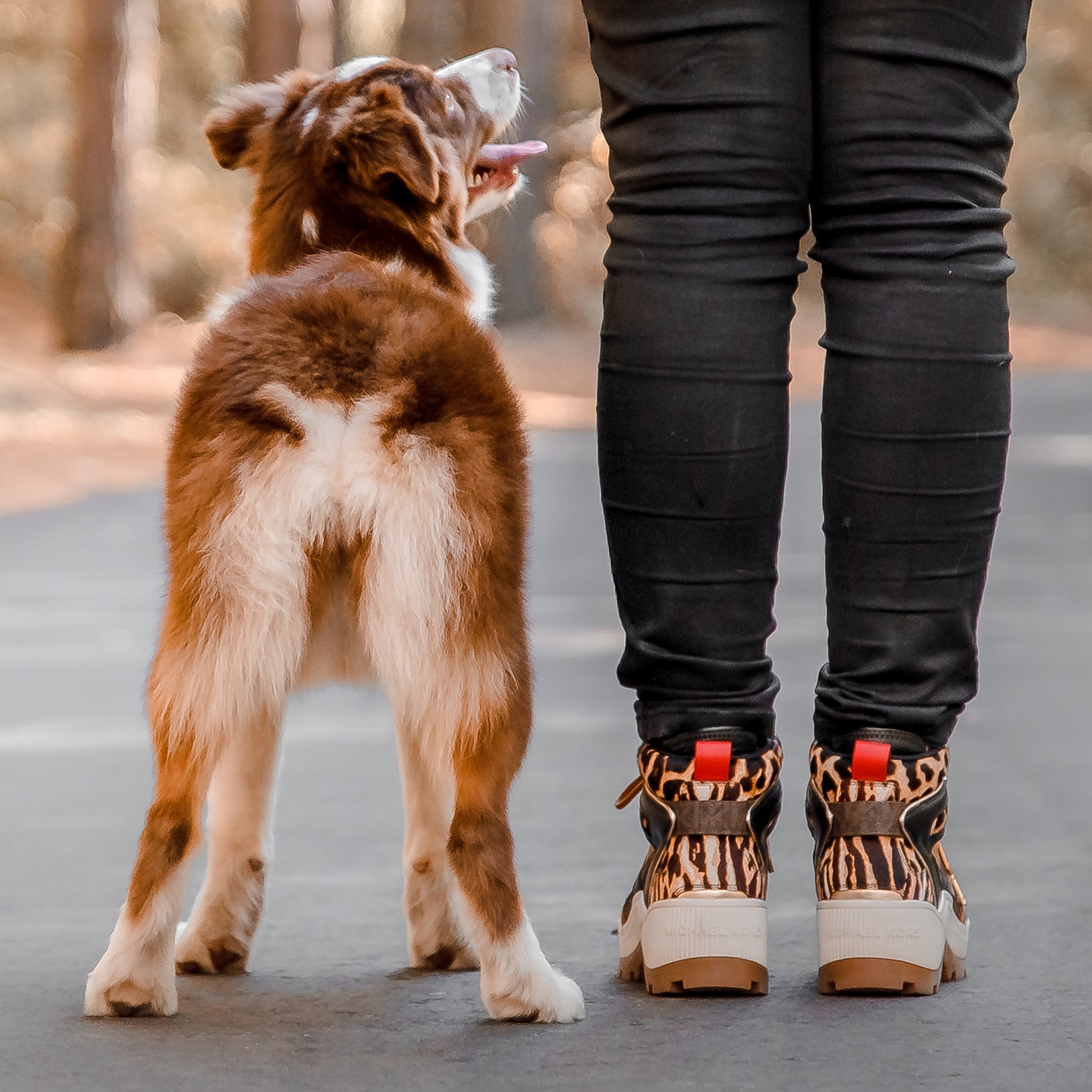
If your dog lives outside, flatulence may not be much of an issue, but let's face it, if your canine companion shares your home or you're planning to take a long car journey together, their company can get, shall we say… a little on the nose!
It's a normal bodily function.
Make no mistake, flatulence is a perfectly normal function of your Pet's digestion. Colonic gas formation, commonly known as farting, is a result of normal bacterial fermentation in the large bowel (colon). Normal healthy animals have a large population of 'good bacteria' called probiotics that live in the colon, consuming fermented faecal matter in the bowel. As a result of fermentation, they produce essential vitamins that are absorbed back into the animal's system.
Excessive flatulence
As a general rule, colonic bacteria that feed on carbohydrates produce an odourless gas. In contrast, those that ferment proteins – especially cooked meat protein– will produce sulphur dioxide gas (the classic rotten egg-smelling gas). So, the type and volume of gas produced result from a combination of dietary ingredients and the relative ratios of different colonic bacteria. Excessive gas formation is due to an imbalance in the levels of colonic bacteria. Certain food groups will favour the development of 'putrefactive' bacteria (smelly gas-forming bacteria), which include beans, dairy products, cooked meat, and certain vegetables (cabbage, broccoli, potato), all of which may be found in the ingredients of many
Commercial Pet Foods.
What can you do to reduce putrefactive bacteria?
I generally advise switching your Pet to a natural, raw diet and experimenting with ingredients to find a good mix. Repopulating the bowel using a probiotic supplement, live culture yoghurt or a specific Pet probiotic (can be very effective. There are also a few natural ingredients that can help reduce smelly flatulence, such as raw garlic, fennel, aniseed, ginger, or peppermint oil.
Steer clear of charcoal.
Conventional treatment for excessive flatulence was to give activated charcoal to absorb the gas. However, recent cancer research has shown all charcoals to be highly carcinogenic and can no longer be recommended.


