

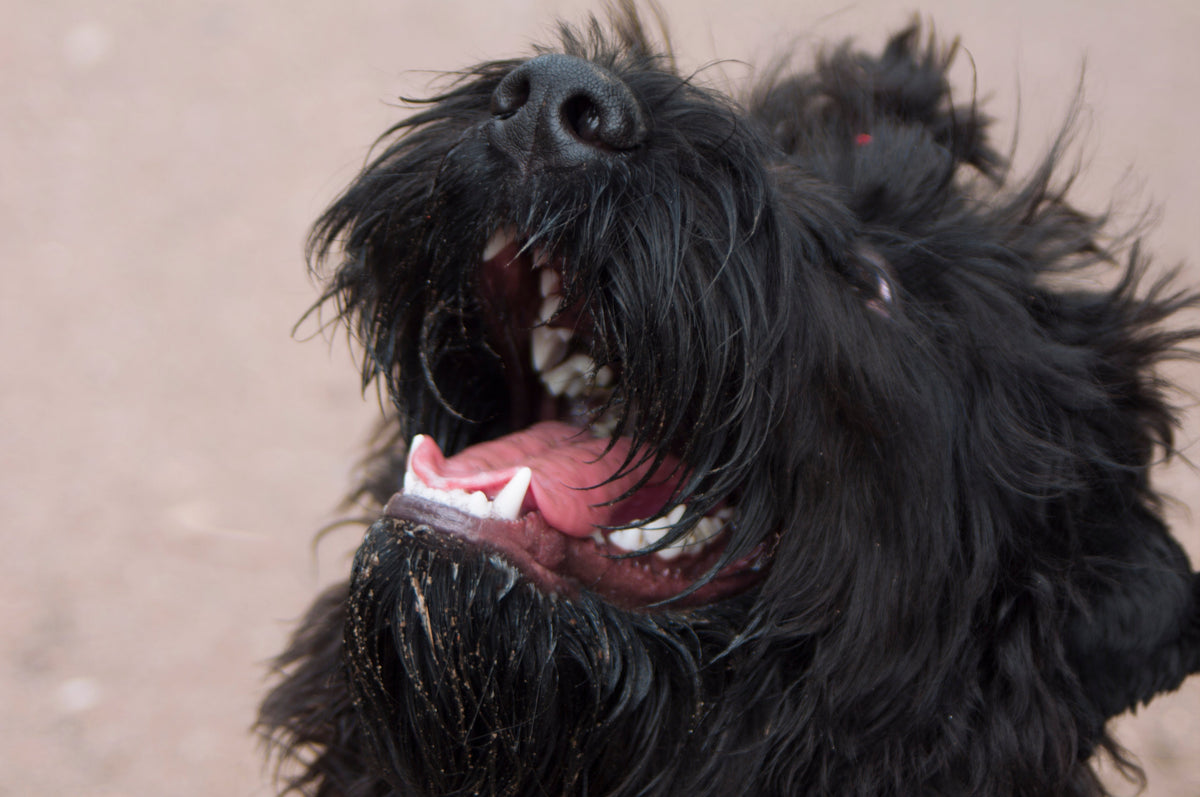
Dental disease is one of the most common reasons your dog or cat may require costly medical or surgical treatment. Recent statistics in Australia have shown that 60 per cent of pets over three have some degree of dental disease that will require expensive veterinary attention, and generally under general anesthesia. The increased popularity of carbohydrate-rich, processed Pet foods, in place of a balanced, fresh-meat diet supplemented with bones, can result in significant plaque buildup on the surfaces of our pets' teeth, which calcifies into tartar.
The tartar contains billions of bacterial colonies that invade the gums, causing painful gingivitis. This will ultimately erode the attachment of the tooth to the root, resulting in damage and tooth loss. Rotten teeth and gums are a modern disease caused by inappropriate diets, and the flow-on effects include pain, infection, immune suppression, kidney, liver, and heart disease, to name a few.
So, what can you do to help reduce the risk of dental disease in your dog or cat? Here are my four tips for a natural approach to dental health that can maintain your Pet's teeth for a lifetime and potentially avoid many expensive dental bills.
- Feed a balanced, fresh meat diet. Many Pet owners mistakenly believe feeding dry food prevents dental disease, but the truth is quite the opposite. Are your teeth clean after eating a biscuit? A natural, raw food diet based on fresh meat and raw bones will naturally maintain your pets' teeth and gums by creating correctly balanced saliva and an oral environment that naturally cleans and helps to prevent plaque formation.
- Bones are nature's toothbrush. Raw bones play an integral role in dog and cat dental hygiene. Macerating the meat and bones massages the animal's teeth and gums, helping remove food residues and prevent tartar buildup. This prevents plaque formation, bad breath, dental cavities, gingivitis, and expensive veterinary teeth scaling and extractions. A good supply of calcium and other nutrients during the early growth stages of puppies and kittens will also help to ensure solid and healthy teeth. Feeding a raw diet helps maintain normal gut acidity, which naturally breaks down bones. Unlike many on-the-shelf products, a balanced, fresh-meat diet creates the proper acidity in the gut to help pets digest bones.
- If raw bones are not your choice, consider air dried kangaroo teeth cleaners, kangaroo tails, shark cartilage and tendons.
- Check your Pet's mouth regularly. Gently lift the flaps of your dog or cat's gums and quickly look at the teeth you can see there. Pay attention to the gums' colour, any 'lumps,' signs of broken/chipped teeth, and areas that look painful. Also, ask your vet to perform an oral exam during regular checkups so they can alert you to any existing or potential problems.
- Try Dental Seaweed. Only a tiny amount needs to be added to your Pet's food daily. Ascophyllum nodosum is a brown seaweed grown in the North Atlantic Ocean. It contains abundant vitamins, minerals, amino acids, fatty acids, antioxidants, and prebiotics. It improves dental hygiene in several ways due to its antibacterial, anti-inflammatory, and anti-adhesive properties. It softens existing plaque and prevents new plaque from sticking to teeth. Not suitable for Pets with Thyroid Issues. If you're unsure, consult your Vet.


