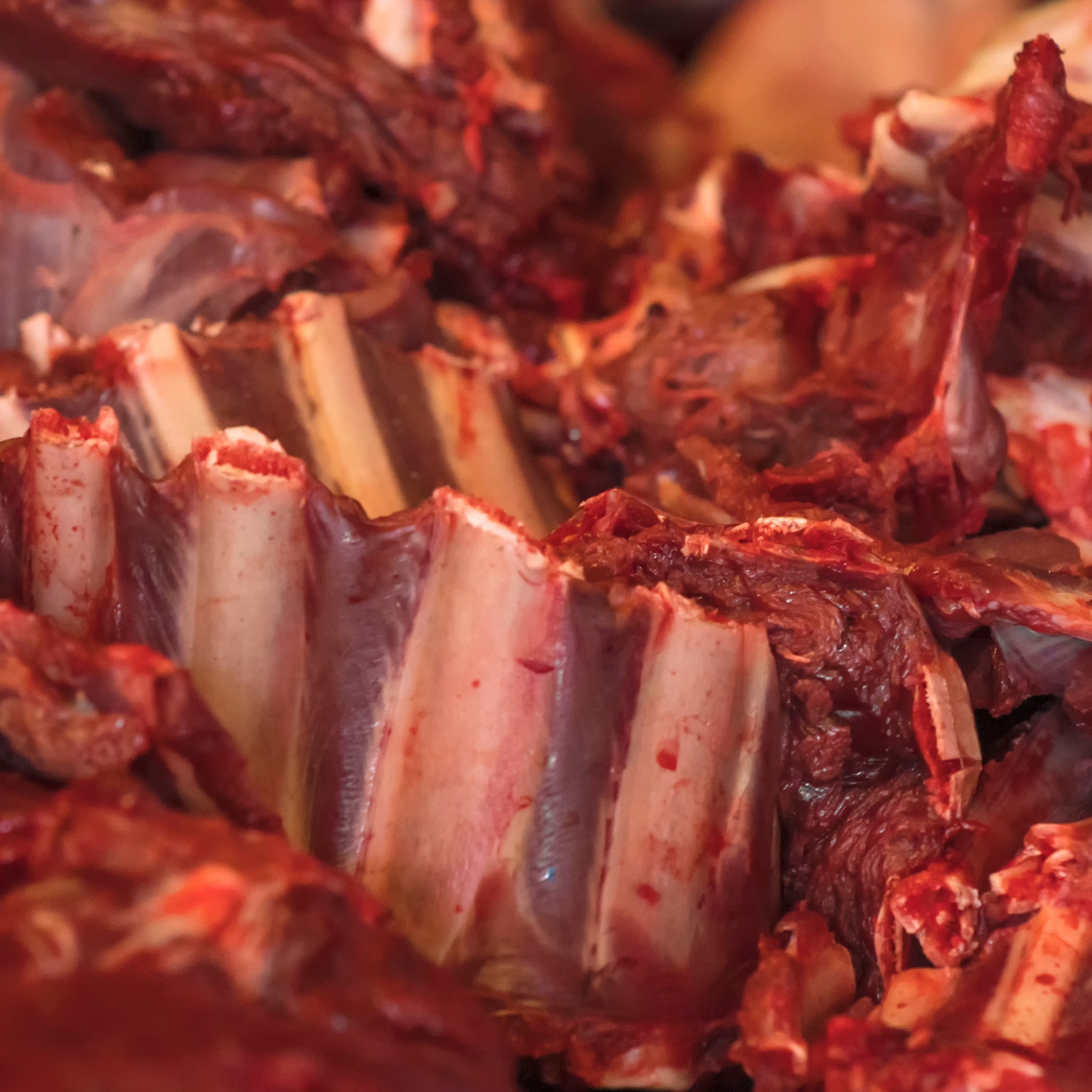
Feeding Raw Bones to Dogs and Cats
Background
Eating raw bones is as completely natural as eating fresh meat for dogs and cats. They come hand in hand, in the wild. Both dogs and cats are natural hunters; cats always eat their food fresh, and dogs are happy to eat fresh or decaying food. Either way, catching and eating prey has always involved consuming bones.
Feeding bones to domestic dogs has been a time-honoured tradition and is still practised by knowledgeable dog breeders and Pet owners. Feeding bones to cats has received less emphasis in the past, as cats have always been able to catch and eat their own prey, including bones. Since the advent of "ready to serve" commercial Pet foods, there has been a noticeable decline in the practice of feeding bones to dogs by many Pet owners, particularly raw bones. And now that the modern domestic cat's natural hunting abilities have been limited by confinement, there is also a marked decline in cats' consumption of raw bones. This, in turn, has led to a rapid rise in the veterinary dental industry.
Benefits
Raw bones are consumed first and foremost for their nutritional value to the cat or dog. A natural and highly digestible source of calcium is provided by raw bones and is required to provide a natural balance to the higher levels of phosphorus found in raw meat. Adequate calcium is vital for normal growth and development, for correct mineralisation (strength) of the teeth and bones, and the structure of joints. It is vital for muscular contraction in the body, including the heart muscle, and is involved in a wide array of metabolic processes. The calcium in raw bones can be up to 4 times more digestible than most common calcium supplements available. Bones also supply smaller amounts of cartilage (a natural source of glucosamine and chondroitin sulphate), bone marrow, and other minerals, like boron, which are vital for bone and joint health.
Raw bones also play an integral role in dental hygiene for dogs and cats. The process of macerating the meat and bones massages the animal's teeth and gums, cleaning away any food residues and preventing tartar buildup. This prevents plaque formation, bad breath, dental cavities, gingivitis, and expensive veterinary teeth scaling and extractions. A good supply of calcium and other nutrients during the early growth stages of puppies and kittens will also help to ensure strong, healthy teeth. And finally, a good bone feed benefits the dog or cat's digestive tract. It has a cleansing/scouring effect, providing much-needed roughage in the diet, and provides bulk for healthy faecal motions that stimulate anal gland emptying.
Why raw?
The benefits of eating bones are greatly reduced by cooking, and doing so can pose dangers. Cooking bones renders the natural calcium almost unavailable for absorption, depriving the body of that vital source of minerals. Cooked bones are much tougher and more brittle than raw bones, and will blunt an animal's teeth after regular chewing or can even cause broken teeth. They also break into large chunks more easily, which can result in your Pet swallowing a piece too large to digest, and then a quick visit for some veterinary attention, as cooked bones do not digest or break down in the stomach.
Bones for Dogs
The basic guide for choosing bones is determined by the size of the dog. Large dogs can handle larger bones, such as lamb necks, lamb shanks, whole rabbits, whole chickens or chicken carcasses, and kangaroo tails.
Smaller dogs will fare better with chicken frames, chicken necks or wings, lamb flaps, brisket bones, ribs, etc. My favourites are Kangaroo tails, brisket bones and chicken frames. Remember that there are two distinct types of bones: those that are eaten easily and quite quickly are nutritional and provide all the above-listed benefits. Bones that are too large or tough, and end up scattered over the backyard, or buried in the lawn, and dug up or chewed on over many days, are more of a "toy". They offer some dental hygiene effects, but minimal nutritional effects, and are more likely to lead to a broken tooth. They do, however, keep many a dog happy for several hours a day. Try to get bones with some meat left on, as this encourages the dog to use the front incisors while tearing at the meat. This is very important during puppyhood, when the adult teeth replace the milk teeth. The chewing and tearing action helps dislodge the puppy teeth and allows the normal progression of the adult teeth.
Bones for Cats
Cats will prefer slightly softer, smaller bones. Chicken necks and wings (skin removed) are the most popular, as are rabbit pieces and smaller Kangaroo tails. My cats happily devour an entire chicken carcass with ease, and will tackle a large Kangaroo tail, but usually leave the big bones for the dogs to clean up. Many people I see in practice do not believe cats can eat bones, but once you have seen them devour a rabbit headfirst, you understand they are quite capable; many cats prefer to avoid the hard work!
It can be hard to get an adult cat to start eating bones if it is not used to eating fresh meat. It can be equally hard if they already have bad teeth or need dental help. The best thing is to get your cat started as early as possible, as a kitten, and then keep up a routine. You can try and tempt a fussy cat by making bone feeding into a game, putting the raw bone on a piece of string and playing a bit of "cat and mouse" until your cat is super keen to get a hold of the "prize", they are then far more likely to try chewing it.
How often?
Puppies and kittens should have a bone offering every day during their growth phase. For cats and small-breed dogs, this ends around 6-12 months of age; for medium-sized dogs, at 12-18 months; and for large and giant breeds, at 2 years old. Puppies and kittens can tackle soft macerated meat and bone pieces as soon as they develop their milk teeth, at around 4-5 weeks old. Adult dogs and cats can still happily eat a bone every day, but can get by with bones at least twice weekly. Older pets should get more bones, as they start to need more calcium in old age to maintain good health and prevent arthritis.
What to avoid
Avoid cooked bones full stop. As a rule, avoid bones of a size that will tempt the dog to swallow them without chewing; they can still get caught in the gut or wedged across the roof of the mouth. As a rule, avoid very large beef leg bones (marrow bones) because they are very tough and can cause fractured teeth.
Also, be wary of feeding bones if you don't feed any other raw meats in the diet, as processed kibble diets can significantly diminish gastric acidity, leading to digestive issues and vomiting.