

Digesting Bones, Gut transit time, Salmonella, etc
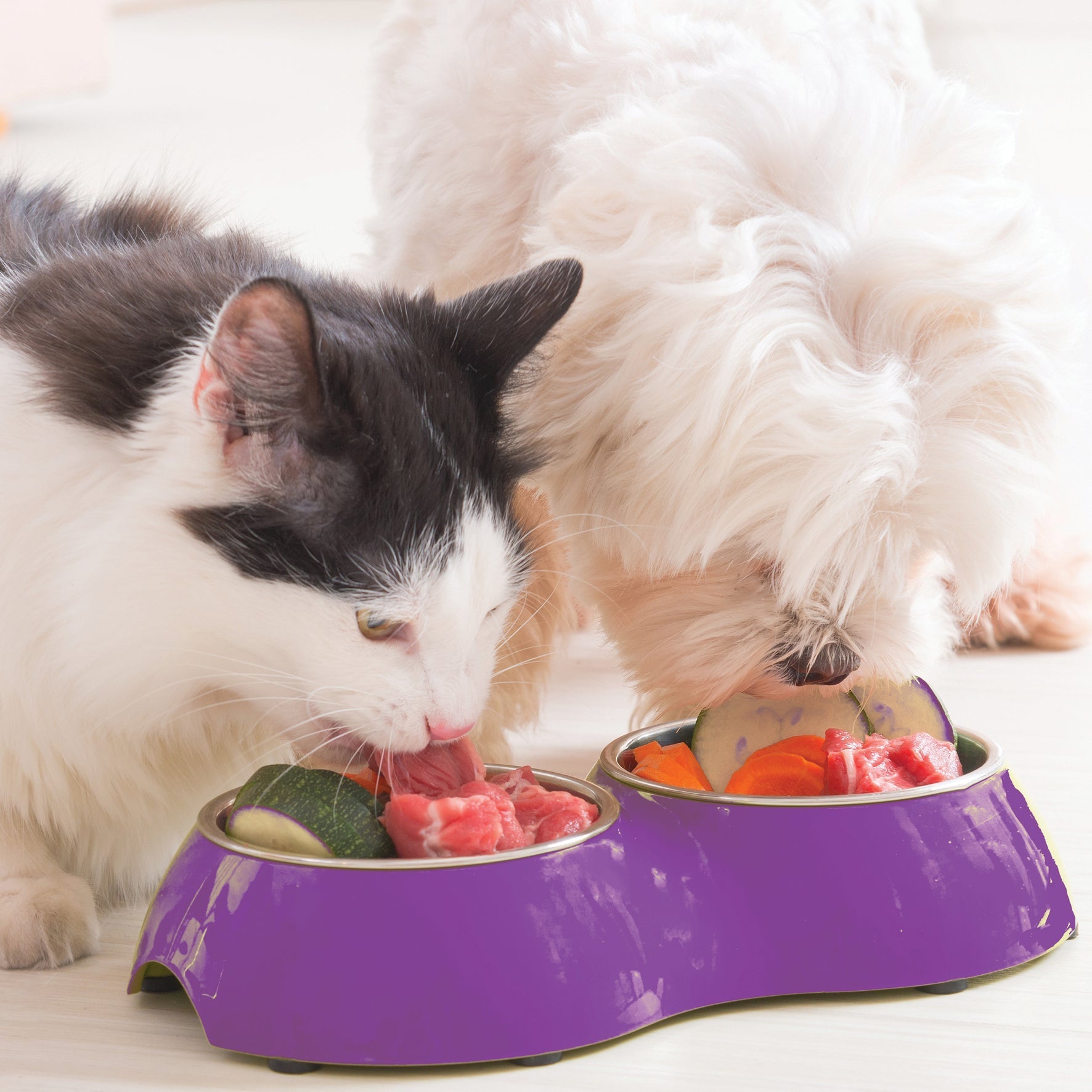
There has been much debate about the "potential" dangers of feeding bones to dogs, and also of the potential risks of food poisoning and salmonella infection that the feeding of raw meat to dogs and cats may carry. So it may be of interest to note that much of this information, or misinformation, relates to the very nature of the gastric environment in dogs and cats, which, in turn, is directly related to diet. The gastric acidity (gastric PH) of the stomach of a dog or cat eating a diet predominantly made up of raw meat is very low (very acidic), with a PH of 2 or lower (relative to the level of meat protein).
This highly acidic environment favours the breakdown of raw meat and raw bones into soft, digestible material. The low pH is also highly effective at killing bacteria, particularly potentially pathogenic species such as Salmonella spp., Campylobacter, Clostridia, and E. coli. So the natural 'wild' diet of dogs and cats has evolved a gastric environment that favours the breakdown of raw meat and raw bones, and a pH that kills potentially harmful bacteria – consistent with the requirements of carnivores, and in particular the scavenging nature of dogs.
Also matched to this highly carnivorous diet (raw meat diet) is a very effective digestive process, which occurs in a relatively short gastrointestinal tract. Dogs and cats have a significantly shorter GI tract compared to other non-meat-eating (herbivorous) animals, whereas humans have an intermediate length. The relative length of the gut reflects the nature of the diet and the rate at which food is broken down and absorbed. Fresh raw meat is more easily digested and absorbed than vegetable matter. As such, carnivores have a short gut, and rapid gut transit time – fresh meat can be digested and processed in the carnivore's body in as little as 8‐ 12 hrs, whereas plant and vegetable material in a herbivore's gut can take 3‐5 days to be processed.
With the advent of processed Pet foods, we see a significant change in the overall nature of the diet's ingredients. It is a simple commercial fact that meat protein is the most expensive component in any Pet food, and as a result, there is always commercial pressure to keep meat protein levels to a minimum, thereby keeping the end product costs down (and/or maximising profits). Modern processed Pet foods have adapted to these financial constraints by significantly increasing the carbohydrate component of dog and cat foods – corn, wheat, rice, potato, and other carbohydrates are often the first and most major ingredients in many Pet foods.
Secondly, processed Pet foods have also begun to substitute meat (animal) proteins with plant-based proteins that are much cheaper – ingredients like Soybean and lupins are cheap sources of protein that will increase the overall protein % on the label, but without the associated increase in cost. The problem with this type of substitution is that it directly impacts the digestive environment of the dog or cat.
In dogs and cats that eat these diets with high carbohydrate, high plant protein, and lower meat protein, we find that gastric acidity decreases (gastric acidity relates to meat protein). The stomach becomes progressively more alkaline (pH 4 and above). In this less acidic environment, several key issues arise:
- With the altered PH, gastric digestion and emptying slow down
- With the altered PH, food bacteria and contaminants are not destroyed as effectively
- With the altered PH, raw bones and bone material are not softened and broken down effectively (digestive enzymes lose function), and this can result in obstruction.
These problems become clinically apparent when a dog fed a highly processed diet is offered a raw bone or a raw-meat meal. Because stomach acidity is directly dictated by the meat protein content of the diet, these dogs already have less acidic stomachs that are unable to soften and break down raw bone material, nor can the stomach pH cope with a load of bacteria. The result can be a sudden "rejection" of the bone or meat, in the form of vomiting, or a bout of acute gastroenteritis due to bacterial overgrowth, or a bone obstruction in the stomach. With the delayed gastric emptying effect, any bacteria that do survive can also grow to much larger numbers. This effect continues in the large bowel, with further fermentation of plant fibre and a delay in overall gut transit time (up to 24 hrs) – this can also result in constipation from excessive water reabsorption or loose stools from the overproduction of short-chain fatty acids in the colon.
The problem is that it takes from 7‐10 days on a meat-based diet for the gastric acidity levels to drop down to the natural (preferred) PH 2 level, so it is not possible for the body to quickly adapt to such diet changes. What we learn from this is a few fundamental feeding tips :
- If you intend to feed fresh meat or a raw food diet, you must make this change gradually over 7‐10 days ‐ a common complaint I hear is from people who feed bones or fresh meat on odd occasions to their dog that eats primarily dry food is that "he/she can't handle fresh meat or bones because she vomits" – as we see from above, these dogs can handle it if it is introduced gradually, and the gastric acidity is allowed to normalise.
- If you intend to feed raw bones (which I strongly advise as an important part of everyday Pet health), then you must include some fresh meat every day as part of your overall diet plan to make sure the gastric PH remains low (acidic).
- Feeding a raw food diet will actually protect your dog or cat from bacterial contamination and food poisoning, and greatly reduce the chance of an obstruction from eating raw bones. It is a fact that dogs that eat processed foods are even more likely to shed Salmonella bacteria in their faeces than are dogs that eat raw food!
In summary, most dietary upsets we see involving raw meat and bones are actually related to the dog's or cat's general everyday diet, not so much to the meat or bones. Given that cats and dogs have been eating raw meat and bones for over 40 million years, it just makes sense that this is what they will thrive on.


